Direkt zum Inhalt springen
Header

Postoperative treatment – with physiotherapy and immediate mobilization

Einleitung + Inhalte

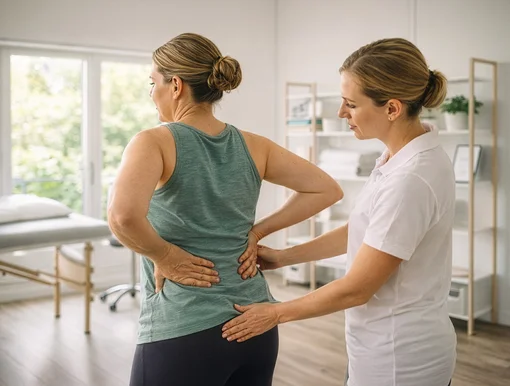
The goal of immediate postoperative treatment is mobilization of the patient. In addition to behavioral patterns for changing body position, muscular tension and relaxation techniques are applied. Depending on the patient’s capability, a gradual increase in exercise can take place. The goal is to achieve a return to normal life within the first six week after surgery, regardless of the surgical technique used.

A female physical therapist in a white shirt examines the lower back of a female patient in a green tank top during a rehabilitation session in a bright clinic.

Targeted training and muscular restoration

Depending on the preoperative complaint and treatment course, the resulting muscular deficits can only be eliminated through training efforts. This phase can last for months or years depending on the extent of loss of fitness and the individual situation of the patient. It must be taken into consideration that not every patient can be trained the same. Therefore, training should always be done under professional supervision. It should be noted that performance reviews should be based solely on the patient’s individual progress. Comparisons to other patients with the same or similar diagnoses and therapies are ineffective in terms of achievements and tend to lead to frustrations with corresponding setbacks and perceived "failures".
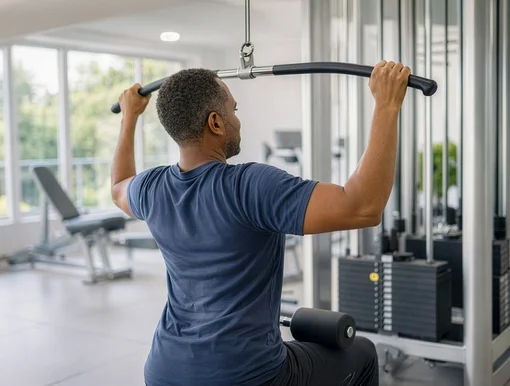
A man from behind performing lat pulldowns on a cable machine in a gym, showing active rehabilitation and muscle building after spine surgery.

Expert pain management and quality of life

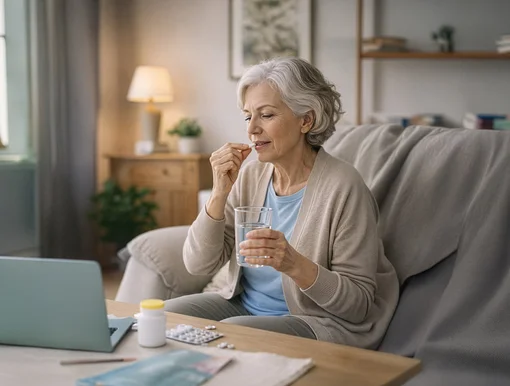
In cases of long term, chronic pain syndrome with corresponding pain management, a surgical intervention has to be followed by professional pain management in order to gradually show the desired results. Pain management follows a three-stage scheme according to WHO guidelines. So-called peripherally and centrally acting active substances are used alone or in combination with one another. These are sometimes supplemented by medications with a muscle-relaxing effect and additionally medications with an anti-depressant effect. For nerve pain (neuropathic pain) additional active ingredients are applied. Therefore pain management is a gradual process, corresponding side effects need to be adapted specifically to each patient. Common fear of pain medication is often unfounded; sensible pain management can often drastically increase quality of life and can thus even be a reasonable long-term therapy.  

Surgical interventions often lead to a decrease in symptoms, although it must be taken into consideration that despite pre-operative therapy, the situation was bad enough to warrant a surgical intervention. Thus, it should not be expected that all problems have been fixed by the intervention. Postoperative pain management must also take into account that postoperative pain is added to the preoperative pain level. Possible new complaints are usually a result of changes in muscular tension that are caused by the surgical reconstruction of the spinal curvature. Pain management very often helps patients to feel good enough to begin training and improve gradually. Pain management can be reduced in accordance to increase in performance and well-being.

An elderly woman sitting on a sofa, taking a tablet with a glass of water while looking at a laptop, illustrating post-operative pain management and recovery.
Our Spinal Solutions (Card-Links)
More spinal solutions
Artificial disc replacement
Learn more
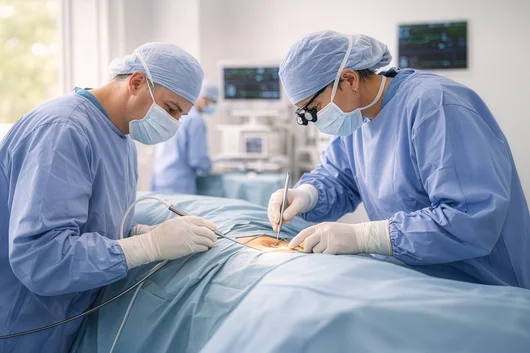
Two surgeons in blue scrubs, masks, and caps focus on a spinal surgery; one surgeon is using specialized tools and wearing surgical loupes, with medical monitors blurred in the background.
Fusion
Meet them
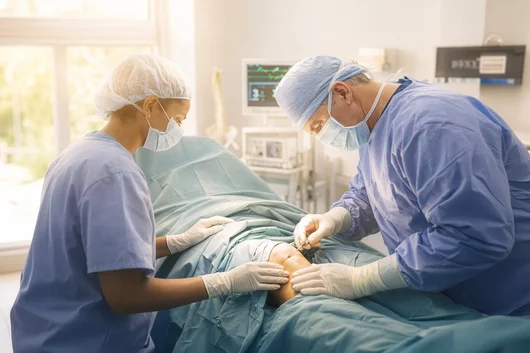
Two surgeons in blue scrubs, masks, and caps perform a surgical procedure on a patient's knee. The operating room is filled with natural light from a large window, and medical monitoring equipment is visible in the background.
Hybrid solutions
Discover them
More topics (Card-Links)
Explore more topics
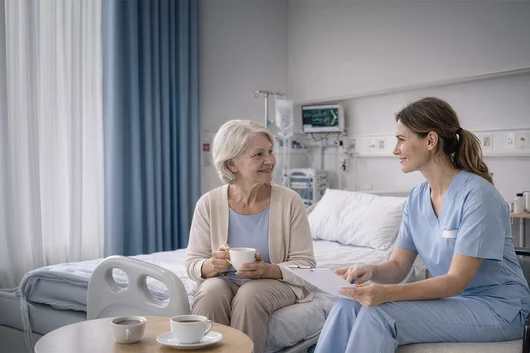
A female nurse in blue scrubs sits and talks with an elderly female patient on a hospital bed; both are smiling, and a medical monitor is visible in the background.
Your step-by-step process

From your initial consultation to personalized aftercare, we provide a clear and structured path to your recovery.

See our services
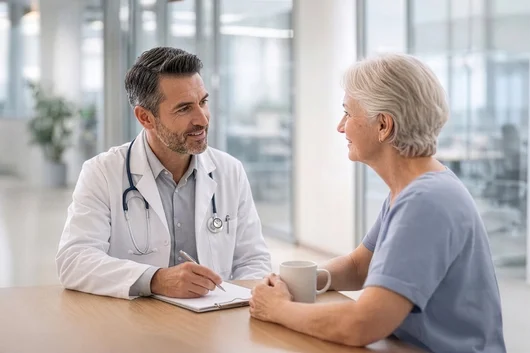
A smiling male doctor in a white lab coat and stethoscope sits at a desk, taking notes while having a friendly conversation with a senior woman during a medical consultation.
Your operators

Our world-renowned specialists will guide you on your journey to renewed mobility.  

Meet our surgeons
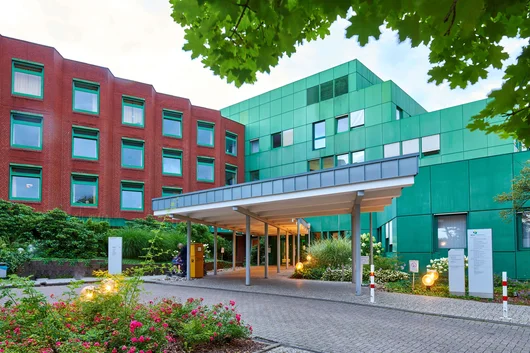
A modern multi-story medical facility with a distinctive green and red facade, featuring a covered entrance area and landscaped gardens with flowers.
Our clinics

We welcome you to our state-of-the-art facilities, designed for maximum patient comfort and top-tier medical safety.

Explore our clinics
Call-To-Action
Your personalized plan awaits

The first step toward a pain-free future is simple. Our expert team is ready to evaluate your needs and to design an individual treatment plan for you.

Start your journey now